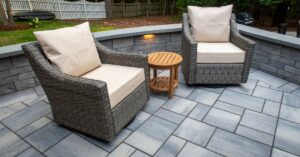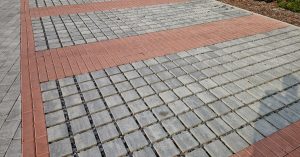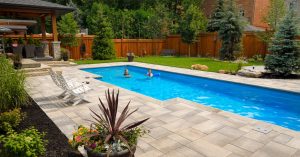


A hard rain can expose every drainage flaw around a home. Water may collect across a patio, settle into low spots beside a driveway, or form puddles that take hours to disappear. Those wet areas interfere with how homeowners use their outdoor spaces and leave a property with a less polished look. One solution starts right at the surface. Evaluate how permeable pavers help prevent standing water to ensure you have the setup you need outside.
Why Standing Water Develops on Hard Surfaces
Traditional solid pavement leaves rain with few places to go. Water must travel across the surface toward a drain, lawn, curb, or another outlet. If the pavement has a low spot or the drainage route can’t handle the volume of rain, puddles can form.
A heavy coastal downpour can put this issue on full display. A driveway may shed a large volume of water toward one section of the property in a short period. Patios can face the same concern if water has no direct route away from the paved area.
Site grade also affects where water travels. Even a slight depression can become a collection point after a storm. Add runoff from roofs, walkways, or nearby hard surfaces, and one section of the yard may receive far more water than homeowners expect.
Permeable Pavers Give Rain Another Route
Permeable paver systems take a different approach that doesn’t rely only on surface runoff. The system lets water pass through spaces between the pavers. Rain then enters the aggregate layers below.
Those layers provide temporary space for water after it leaves the surface. From there, water can move into the soil beneath the pavement based on the site conditions and system design. This approach can reduce the amount of rain that remains on top of the paved area.
The pavers themselves still create the finished surface homeowners expect from a hardscape. The difference sits in the joints and base system. Each part has a role in the way water moves through the pavement.
Less Surface Runoff Means Fewer Puddles
A traditional paved surface can send water toward the lowest available point. Permeable pavement allows more rain to enter the system across the paved area. That change can reduce the volume of runoff that travels from one end of a patio or driveway to another.
Picture a broad driveway after a summer storm. With a solid surface, rain may rush toward the bottom edge and collect near the street or lawn. A permeable system provides numerous routes into the pavement before all that water reaches one low point.
This feature can also prove useful for patios. Nobody wants to wait for a large puddle to disappear before they can enjoy the space again. Better water movement can help the surface recover from rain with less water left across areas meant for foot traffic, furniture, or recreation.

The Base Has a Major Role
Knowing how permeable pavers help prevent standing water requires understanding the base material. Permeable pavers are only one part of a complete pavement system. The material beneath them has a direct role in water management. An open-graded aggregate base creates void space below the surface, so rain has room to enter rather than collect on top.
Think of that base as a temporary reservoir beneath the pavement. Water passes through the joints and enters those open spaces after a storm. The system can then allow that water to move farther into the ground according to the site design and soil conditions.
That detail separates a permeable pavement system from a surface that has decorative gaps alone. Product selection, base preparation, joint material, site conditions, and drainage plans all deserve attention as part of the project. A qualified hardscape professional can evaluate those factors for a specific property.
Permeable Pavers Support Better Stormwater Control
Standing water isn’t the only concern tied to runoff. Rain that races across pavement has to end up somewhere, and a large hardscape can direct considerable water toward another part of the property. A permeable system can reduce that rapid surface flow by allowing rain to enter the pavement closer to where it lands.
That can create a more controlled approach to stormwater on residential properties. Rather than treat every drop as surface runoff, the pavement becomes part of the drainage plan. This can be especially attractive on properties with expansive driveways, patios, courtyards, or other hardscape areas.
No pavement product can solve every drainage problem on its own. Soil type, slope, groundwater conditions, storm intensity, local requirements, and the rest of the site all affect performance. Permeable pavers work best as one part of a well-planned system rather than as a universal fix for water problems.
Outdoor Spaces Stay More Comfortable After Rain
Puddles can become an everyday nuisance long before they cause a larger concern. Water across a patio can leave chair legs in wet spots, create muddy transitions near the lawn, or force people to avoid sections of the space. A driveway with persistent puddles can feel just as inconvenient.
A surface that handles rain more effectively can create a cleaner transition back to normal use after a storm. There’s less reason for water to remain trapped at the surface when the pavement gives it another route. For homeowners who invest time and money into an attractive outdoor area, that practical benefit complements the visual appeal of pavers.

Proper System Design Still Matters
Permeable pavers don’t eliminate the need for thoughtful project plans. The pavement must suit the property, expected traffic, soil, drainage demands, and local conditions. A system for a residential patio may have different requirements from one intended for a driveway.
Maintenance also deserves consideration. The joints need to remain open enough for water to pass through the system as intended. Dirt and debris can reduce permeability over time if they accumulate within those spaces.
Homeowners should also recognize that an existing severe drainage issue may call for more than a new paved surface. Water from roof drains, neighboring grades, or other sources can place extra demand on one part of a property. A complete site assessment will reveal how the permeable pavement should fit into the broader drainage plan.
Preventing Standing Water at Home
The value of permeable pavement becomes clear once rain hits the ground. Rather than forcing water to travel across an uninterrupted hard surface, the system provides a route through the joints and into the aggregate below. Permeable pavers also offer the finished appearance homeowners want from a patio, walkway, courtyard, or driveway. The result combines attractive hardscape design with a more thoughtful approach to rainwater. Don’t leave your home unprotected. Explore the permeable pavers for driveways you can use to upgrade your home right now.