

There’s a moment every fall when the Lowcountry exhales. The humidity backs off, the no-see-ums take a breather, and suddenly everybody wants to be outside again. Oyster roasts get scheduled. Somebody drags out the fire pit. And somebody else stands in a soggy patch of lawn holding a plate of oysters thinking, “We really need a patio.”
If that somebody is you, good news: fall is a great time to start planning one. Here’s how to think it through so your outdoor space is ready for the next roast, the next holiday crowd, and the next ten years of Sábado nights.
Why Fall Is Patio Season Around Here
Summer in Bluffton and Hilton Head is a lot of things. Comfortable for outdoor work isn’t one of them. Fall gives you cooler days for planning, walking the yard, and actually picturing how you’d use the space.
It’s also when the reasons to have a patio show up all at once. The Hilton Head Oyster Festival kicks off the season Noviembre 6–7. Thanksgiving is Noviembre 26. And hurricane season officially wraps up Noviembre 30, which makes it a natural time to look at your yard with fresh eyes.
A note on timing: If you’re hoping to host on your new patio this year, call early. [confirm: typical lead time from estimate to install in Noviembre/Diciembre] Even if the timeline doesn’t work for Thanksgiving, getting on the schedule now puts you in great shape for spring.
Start With How You’ll Actually Use It
The biggest trend in outdoor design right now is treating the patio like an outdoor living room, with separate zones for sitting, eating and getting from one to the other. That’s not just a magazine idea. It’s how Lowcountry families already live.
Before you pick a single paver, answer a few questions:
- How many people do you host? A table for four and an oyster roast for twenty need very different footprints.
- Where does the food happen? Plan room for a grill, a roasting setup or a shucking table, plus a clear path back to the kitchen.
- Fire or no fire? A fire pit area wants its own zone with seating around it and space to move.
- Shade or sun? Live oaks are gorgeous. They also drop a lot of stuff. Think about where the leaves and acorns will land.
The oyster-roast test
Here’s a simple gut check. Picture your yard mid-roast: table full, fire going, kids running through. Where does everybody stand? Where do the shells go? If the answer is “in the grass, in the mud,” that’s where your patio should be.

Pick a Look That Fits the Lowcountry
Designers say 2026 is moving away from cool grays and toward warmer, earthier tones like natural stone, clay and weathered finishes. That’s good news for us. Warm tones look right at home next to marsh grass, tabby, brick and old live oaks.
A few directions that tend to work well here:
- Tabby is the best choice for having that Lowcountry feel.
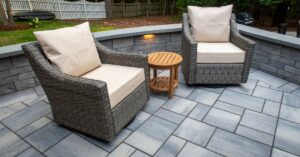
- Natural stone-look pavers like our Lowcountry Flagstone or Charleston Flagstone.
- Mixed colors, like a lighter colored field and a contrasting border, to define each zone.
Stop by the yard and see them in person. Colors look different in the sun than they do on a screen. [confirm: showroom/display yard hours and address]

Don’t Forget the Extras That Make It Livable
The patio itself is the floor. These are the pieces that turn it into the spot everyone gravitates to:
- Seat walls. They define the edge of the space, add seating without extra furniture and can hold lighting.
- A built-in fire pit. The center of every fall gathering.
- Lighting. Plan it early, before pavers go down, so wiring isn’t an afterthought.
- Walkways. A paver path from the driveway or back door keeps guests (and sandy feet) off the lawn.

Build It for Lowcountry Ground
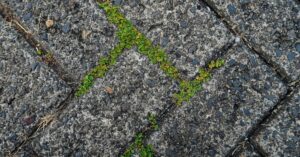
Our sandy soil, heavy summer rain and high water tables are part of life here. A good patio is built with that in mind, with a properly prepared base, the right aggregate underneath and drainage planned from the start. That’s what keeps pavers flat and puddle-free long after the first roast.
This is where working with a local crew pays off. Lowcountry Paver can recommend the best paver installers in the area in the area, so you can rest assured that you’re working with someone who knows the craft and has an extensive background of high-quality installs under their belt.
If you’re a DIY type, we also sell the aggregates you’ll need for the base, including crush, #57 and #89 stone, and sand.
Let’s Get Your Patio on the Books
Whether you want it ready for the next oyster roast or you’re planning ahead for spring, the first step is the same: tell us what you’re picturing.
Call to action: Ready to stop hosting in the mud? Request a free estimate at LCPaver.com/Quote or stop by the yard to see pavers in person. We’ll help you plan a patio that’s built for Lowcountry living, and good for a whole lot of oysters.