

A new patio, driveway, or walkway can completely change the look of a home. Before you settle on a style, it helps to learn how each type of paver performs over time. Our guide below will help you understand what the differences are between traditional and permeable pavers. Learn how to choose the right material for your home today.
Traditional Pavers at a Glance
At first glance, traditional and permeable pavers look very similar. Both create attractive outdoor surfaces with plenty of color, texture, and design choices. The biggest contrast sits below the surface. Each system handles rainwater in a very different way, and that difference can affect everything from puddles to long-term durability.
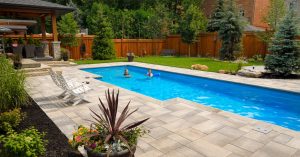
Traditional pavers create a durable surface for patios, pool decks, driveways, and walkways. They rest close together with narrow joints that limit water movement through the pavement. Rainwater usually flows across the surface until it reaches a drain, slope, or nearby landscape area.
Many homeowners love traditional pavers because they offer timeless curb appeal. Classic patterns work well with nearly every architectural style, from historic homes to modern designs. A wide variety of colors and textures also gives plenty of freedom during the design process.
Traditional pavers have earned a strong reputation for durability. Heavy vehicle traffic, outdoor furniture, and everyday foot traffic rarely cause problems when the base receives proper preparation. Individual pavers are also easy to replace if damage ever occurs.
What Makes Permeable Pavers Different
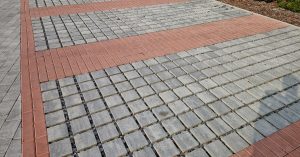
Permeable pavers allow water to travel through wider joints between each unit. Beneath the surface sits a specially prepared stone base that temporarily stores rainwater before it filters into the soil below. That process helps reduce standing water across the paved area.
This style has become more popular as homeowners search for practical ways to manage stormwater. Instead of directing rainfall toward drains or gutters, permeable systems encourage natural absorption into the ground.
Many people assume permeable pavers look industrial or plain. That couldn’t be farther from reality. Today’s permeable products come in attractive colors, shapes, and patterns that complement nearly any outdoor design. You can shop for hardscape pavers right now that maximize permeability and visual appeal.
Drainage Creates the Biggest Difference
Water management stands out as the largest distinction between these two products. Traditional pavers direct rainfall away across the surface. That approach works well in many applications, particularly on properly graded properties.
Permeable pavers take another route. Rainwater slips between the joints and enters the stone base below instead of flowing across the top. Having less runoff can reduce puddles after heavy rain and help the surrounding landscape stay healthier. For homes with drainage concerns, this feature can provide noticeable benefits. Areas that collect water after storms may perform better with a permeable surface designed for natural infiltration.

Appearance and Design Options
Both traditional and permeable pavers offer attractive visual appeal. Homeowners rarely need to sacrifice style in exchange for performance. Manufacturers continue to expand color selections, surface textures, and laying patterns across both product lines.
Traditional pavers fit beautifully into classic outdoor spaces. Brick-inspired colors, earth tones, and natural stone textures remain popular choices for driveways and patios alike.
Permeable pavers deliver a similar appearance with slightly wider joints. Many visitors never notice the difference until someone points it out. Landscape features, decorative borders, and outdoor lighting pair well with either option.
Maintenance Expectations
Every outdoor surface benefits from occasional maintenance. Dirt, leaves, and debris should come off both traditional and permeable pavers on a regular basis to keep the surface attractive. Traditional pavers usually need periodic joint sand replacement over the years. Routine cleaning also helps preserve their appearance.
Permeable pavers require attention to the joints so water continues to pass through freely. Vacuum equipment or professional cleaning may remove accumulated debris from time to time. With proper care, the drainage system continues to perform as intended. Neither option demands constant attention. A little routine care goes a long way toward preserving appearance and function.
Environmental Benefits
Traditional pavers already provide advantages over poured concrete because you can replace individual units without removing an entire slab. That feature reduces waste whenever repairs become necessary. Permeable pavers bring additional environmental benefits through improved stormwater management. Rainwater returns to the ground instead of rushing across hard surfaces toward nearby storm drains.
That natural process can reduce erosion around the property and support healthier soil conditions. Communities that experience heavy rainfall may also appreciate lower runoff volumes after storms. Homeowners interested in environmentally friendly landscape choices should place permeable pavers near the top of their wishlist.
Cost Considerations
Project cost depends on several factors, including product selection, project size, site conditions, and preparation requirements. Traditional pavers usually carry a lower upfront price because the base preparation follows a more familiar approach. Permeable paver systems may require additional stone layers beneath the surface. Those materials can increase initial project costs.
Long-term value deserves equal attention. Improved drainage may reduce future drainage issues around certain properties. Every homeowner should compare both upfront investment and future performance before selecting a product.

Choosing the Right Option for Your Home
Identifying the differences between traditional and permeable pavers is important because every property comes with unique conditions. Soil type, drainage patterns, local climate, and project goals all influence the ideal choice. A driveway may benefit from one solution, while a backyard patio may call for another.
Product quality deserves just as much attention as style. High-quality pavers deliver better durability, richer color, and dependable long-term performance regardless of the system you choose. If you aren’t sure where to begin, talk with an experienced paver manufacturer. Product experts can explain available styles and help narrow the options that fit your vision.
Focus on Your Goals
At the end of the day, the ideal paver choice depends on the balance between appearance, drainage needs, maintenance preferences, and long-term value. Both products create beautiful outdoor spaces that last for years with proper care. The right choice comes from a close look at your property and the results you hope to achieve. Contact a trusted paver manufacturer today to explore product options and find the ideal solution for your next outdoor project.