





A new paver patio can shift how a backyard feels, how guests gather, and how daily life unfolds outside. Before any plans move forward, take a moment to explore your options and reach out to a trusted local paver manufacturer for guidance and product insight. That first conversation can set expectations and save plenty of stress later.
Should you DIY your paver patio install? It sounds tempting, especially with weekends, online tutorials, and a desire to tackle a hands-on project. Read through the details below and use them to decide which path fits your time, energy, and expectations.
The Appeal of a DIY Patio
DIY projects carry a certain pride. Laying a patio by your own hands feels personal, and the finished space can carry extra meaning. Budget control plays a role, too, since labor costs stay off the table. Many homeowners also like the flexible pace, with work spread across evenings or weekends.
That freedom can feel refreshing at first. The project fits around family time or other plans. A simple square patio behind the house may look approachable on paper. The challenge shows up once ground prep begins and details stack up.
Skill Level Versus Expectations
A paver patio looks flat and neat once complete, though the process below the surface tells a different story. Base depth, compaction, slope, and edge restraint all work together. Each step depends on the previous one, so small missteps can ripple through the project.
For example, a base that lacks proper depth may settle unevenly. That can lead to low spots that collect water or shift under foot traffic. Fixes usually require lifting pavers and reworking layers, which adds time and frustration.
Tools and Equipment Add Up
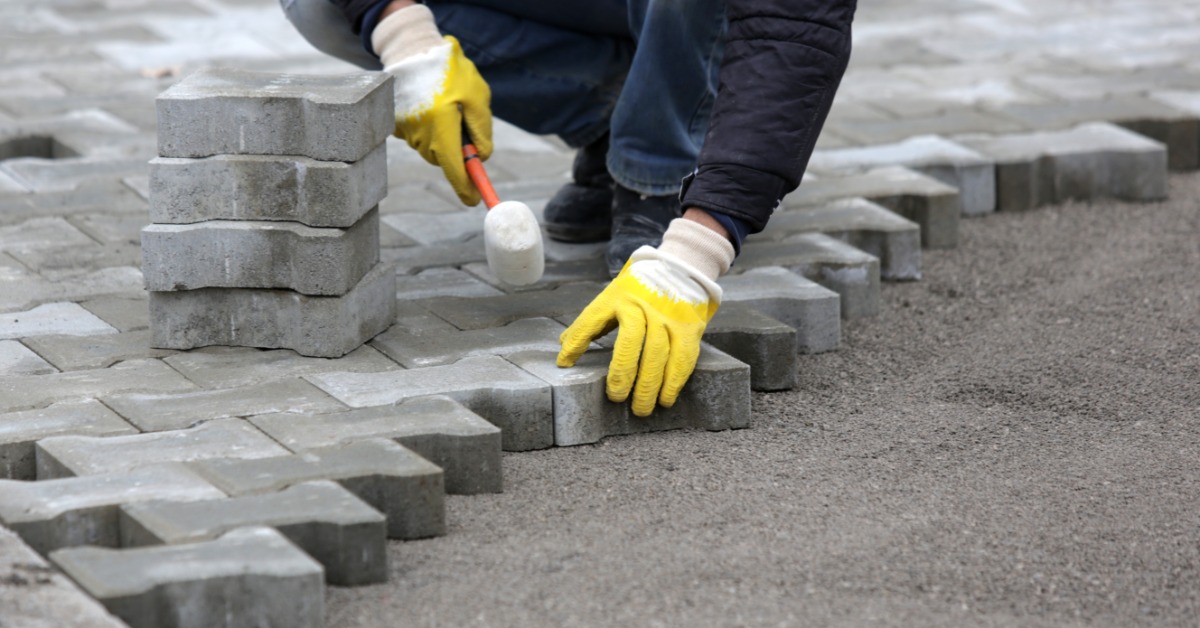
A DIY patio calls for more than a shovel and a wheelbarrow. Plate compactors, levels, screed rails, masonry saws, and edge restraints all enter the picture. Tool rentals add cost, and unfamiliar equipment adds a learning curve.
Picture a weekend plan that hinges on a rented compactor. Delays due to rain or soil conditions can push work beyond the rental window. Extra days mean extra fees, which can close the gap between DIY and professional labor faster than expected.
Time Commitment Feels Larger Than Expected
Time estimates tend to shrink on paper. A patio that seems like a two-weekend plan may stretch across a month. Soil removal, base prep, and paver layout each take longer than expected without prior experience.
Weather also plays a role. Rain can halt progress and soften soil. Heat can limit how long heavy work feels manageable in a day. That drawn-out timeline can leave a yard torn up longer than planned.
Design Details Matter More Than They Appear
Patterns, borders, and color blends shape how a patio feels. Achieving clean lines and consistent spacing takes practice. Small alignment errors stand out once the surface reaches completion.
A herringbone pattern, for instance, demands precise cuts along edges. Without experience, cuts may vary slightly, which draws the eye. Professionals develop an eye for these details through repetition and training.
Drainage Shapes Long-Term Performance
Water management sits at the heart of any patio project. A proper slope directs runoff away from the home. Surface water that lacks a clear path can pool near foundations or erode joints over time.
DIY projects sometimes miss subtle grade changes. The patio may appear level yet still hold water after a storm. That moisture can weaken the base and shorten the patio’s lifespan.
Material Knowledge Goes Beyond Style
Pavers vary in thickness, strength, and application. Some suit patios, others fit driveways or pool decks. Joint material choices also affect stability and appearance.
DIY builders without that background may choose based on looks alone, which can lead to performance issues later. If you want to go the DIY route, partner with a paver manufacturer who can guide you toward the right products for your project. Luckily, it’s easy to find a specific match and buy patio pavers right now.
Physical Demands Deserve Attention
Paver projects demand repetitive lifting and bending. A single pallet holds thousands of pounds of material. Even with help, fatigue builds quickly.
Strain or minor injuries can slow progress. What begins as a rewarding project can shift into a physical grind. Professional crews rotate tasks and rely on experience to pace the work safely.
Cost Comparisons Require a Full Picture
DIY budgets usually focus on materials. Labor savings look attractive at first glance. Tool rentals, waste removal, and replacement materials due to errors add hidden costs. A miscut pallet of pavers or improperly compacted base may require new material. Those setbacks can erase initial savings.
When DIY Fits the Situation
Although DIY projects require substantial preparation, they can certainly work well in some cases. Small spaces with simple shapes and minimal grade changes present fewer challenges. Homeowners with construction experience may feel comfortable with the process. In these cases, careful planning and manufacturer guidance help. Patience and attention to detail remain necessary from start to finish.
When Professional Installation Shines
Larger patios, complex patterns, or sloped yards benefit from professional hands. Experience speeds the process and reduces risk. Reliable crews know how to adapt when soil conditions surprise them.
Professionals also coordinate material delivery and staging. That organization keeps the project moving smoothly and the site cleaner throughout the build.
Guidance From the Source
Paver manufacturers serve as a valuable resource. Product recommendations, layout tips, and technical specs help clarify decisions. That support helps projects start on solid ground. Even DIY builders benefit from expert insight before the first shovel hits soil.
A Patio That Lasts
A patio should feel solid underfoot and inviting year after year. The path to that result varies by project and person. DIY appeals to hands-on homeowners with time and patience.
Professional installation suits those who value efficiency and long-term reliability. So, should you DIY your paver patio install, or go the professional route? Both paths lead to outdoor spaces that bring people together.
The choice rests on comfort level, schedule, and tolerance for risk. Reach out to a trusted local paver manufacturer for product insight, planning support, and contractor referrals if needed. That conversation can guide the project toward a result that feels right from day one and holds up for years to come.
Frequently Asked Questions: DIY vs. Professional Paver Installation
1. Is it cheaper to DIY a paver patio?
While a DIY project can reduce immediate labor costs, it often involves hidden expenses such as tool rentals and material delivery fees. Beyond the budget, professional installers ensure the technical details—like proper base depth, soil compaction, and slope—are handled correctly to prevent the patio from shifting or sinking over time.
2. What are the most difficult parts of a DIY patio install?
The challenge typically begins once ground preparation starts. Achieving a perfectly flat and neat finish requires precise excavation and edge restraint installation. While a simple square patio may look approachable on paper, managing the physical labor and technical stack-up of materials is typically more time-consuming than homeowners anticipate.
3. When should I hire a professional for my paver project?
If your project involves complex grading, significant ground prep, or if you need to move the project along quickly, reaching out to a professional is the best path. A trusted local paver manufacturer can provide guidance and product insight during your first conversation to help set realistic expectations and save you significant stress.