
When hiring a hardscape contractor in 2026, the most important factors to verify are their local licensing, proof of liability insurance, and specific experience with coastal soil stabilization. Because the Lowcountry’s terrain requires specialized base preparation, homeowners should prioritize contractors who provide a written workmanship warranty and follow ICPI (Interlocking Concrete Pavement Institute) installation standards.

Why the Right Installer is Your Best Insurance
A premium paver is only half of the equation. Even the best stone will fail if the person laying it doesn’t understand the unique drainage and compaction needs of the Bluffton and Hilton Head area.
To help you navigate the hiring process, we’ve narrowed down the dozens of possible questions into the “Big Five” that truly matter for project longevity.
1. “How do you prepare the base for our specific soil?”
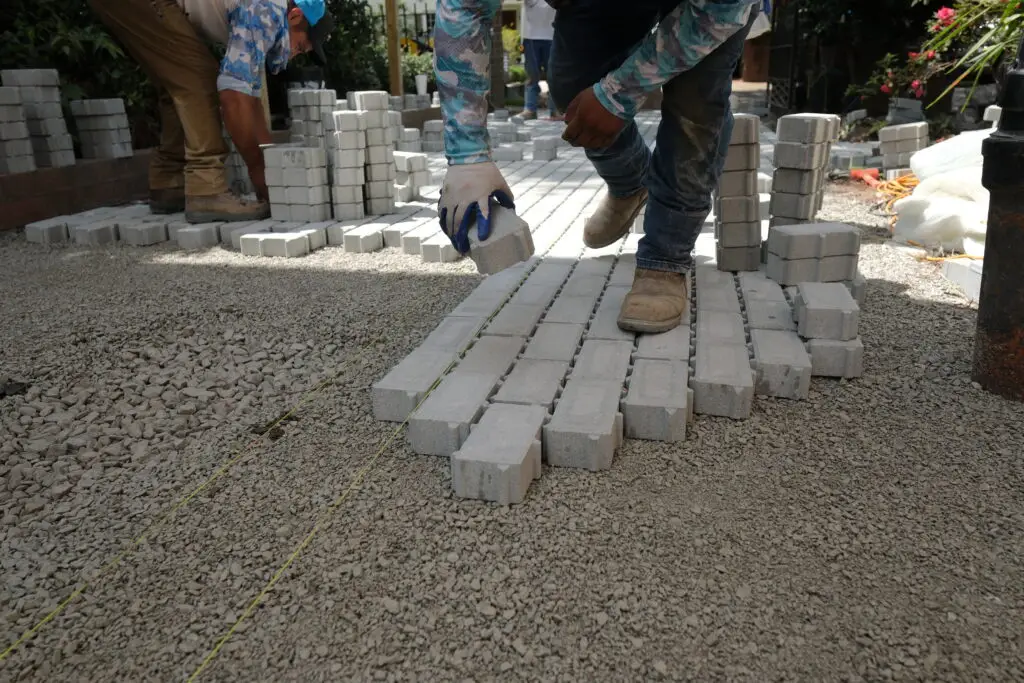
- The Right Answer: They should mention excavating 8–12 inches (for driveways), using geotextile fabric to separate the stone from the sand, and compacting the aggregate in “lifts” (layers) of 2–3 inches at a time.
- The Red Flag: If they say they “just use a couple of inches of stone dust,” walk away. Stone dust holds moisture and leads to shifting in our climate.
2. “Are you a ‘Preferred Installer’ for the manufacturer?”
- The Right Answer: “Yes, we are a Lowcountry Paver Preferred Professional.”
- Why it Matters: Lowcountry Paver works with a network of vetted preferred professionals throughout the Southeast. These installers have a direct relationship with the factory, receive specialized technical training, and are familiar with the exact specifications required to maintain our 20-Year Structural Guarantee.
3. “How will you handle drainage and runoff?”
- The Right Answer: They should have a plan for a 1%–2% slope away from your home’s foundation and may suggest deck drains or permeable pavers if you are in a high-density community with strict impervious surface limits.
- The Red Flag: “We’ll just see how the water moves once we’re done.”
4. “Can you provide proof of insurance and local references?”
- The Right Answer: A reputable pro will have a “COI” (Certificate of Insurance) showing General Liability and Workers’ Comp. They should also provide 3–5 local references of projects that are at least 2 years old (to show how their work holds up over time).
5. “What is your workmanship warranty?”
- The Right Answer: While Lowcountry Paver warranties the pavers, the contractor should warranty the labor. Look for a minimum of a 5-year workmanship warranty that covers settling or shifting.
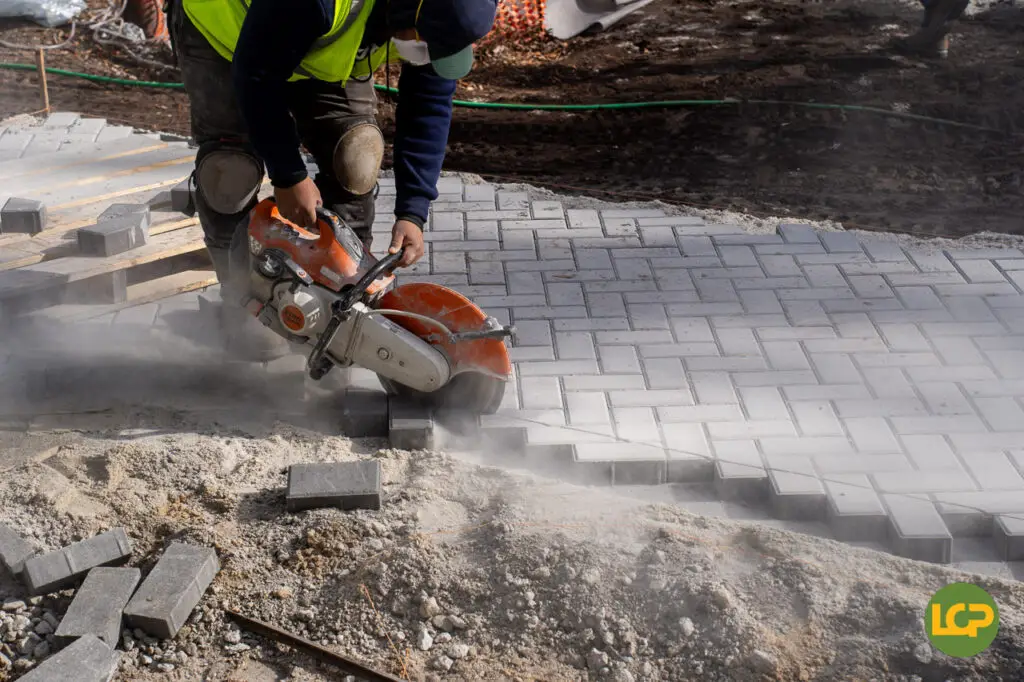
Comparison: Professional Pro vs. “Chuck in a Truck”
| Feature | LCP Preferred Professional | General Laborer |
| Training | Factory-Trained & ICPI Certified | Self-Taught |
| Equipment | Commercial-Grade Compactors | Hand Tampers or Light Tools |
| Materials | 304 Stainless / 8,000 PSI Stone | Big-Box Retail Grade |
| Warranty | Dual (Product + Workmanship) | Likely None or 1-Year |
Frequently Asked Questions
When hiring in the Lowcountry, prioritize contractors who are LCP Preferred Professionals and ICPI Certified. Because our local sandy terrain requires specialized soil stabilization, ensure your contractor provides a Certificate of Insurance (COI) with at least $1M in liability. Avoid shoddy operations by asking for a written 5-year workmanship warranty and proof of experience with local drainage and runoff challenges.
Proper installation in the Lowcountry requires more than just laying stone. A professional installation should include excavating 8–12 inches for driveways, using geotextile fabric to separate the stone from the sand, and compacting the aggregate in “lifts” of 2–3 inches. Beware of contractors who suggest using only stone dust; this leads to moisture retention and shifting. Following ICPI installation standards is the only way to ensure long-term durability against our coastal climate.
A high-quality hardscape project should carry a dual warranty. First, the product itself—such as Lowcountry Paver’s 20-Year Structural Guarantee. Second, the contractor should provide a workmanship warranty of at least 5 years to cover settling or shifting. Choosing an LCP Preferred Installer ensures your contractor is factory-trained and has a direct line of communication with the manufacturer, providing the ultimate safeguard for your investment.
Pro Tip: Save Time with the LCP Network
Instead of spending weeks interviewing unverified contractors, you can start with a head start. Lowcountry Paver has already done the heavy lifting by vetting the most reliable professionals in the region.
Expert Advice: Choosing an LCP Preferred Installer ensures that if a question arises during the build, your contractor can call the factory directly for a solution. This direct line of communication is the ultimate safeguard for your investment.