

The driveway is the welcome mat to any home. It’s the first thing you see when you pull up after a long day at work. A cracked or stained concrete slab can drag down the whole vibe of your property.
Upgrading to pavers instantly boosts curb appeal and adds character. But with so many options out there, the selection process can feel overwhelming. If you want to transform a home’s exterior, everything you need to know about choosing driveway pavers is right here. Let’s dig into the details so you can pick the perfect surface for your project.
Why Pick Pavers Over Concrete or Asphalt?
Standard poured concrete or black asphalt are the default choices for most builders. They are quick to install and relatively cheap upfront. But they come with downsides that show up later. Concrete cracks over time as the ground shifts or tree roots grow. Asphalt requires regular resealing and gets scorching hot in the summer sun.
Pavers offer a level of durability that solid slabs can’t match. Because they consist of individual interlocking pieces, the surface can flex with the earth’s movement. If a tree root pushes up, you might see a slight rise in a few stones rather than a giant crack across the driveway. Repairs are much easier, too. You can lift out a damaged section and replace the stones without ripping up the entire driveway.
Aesthetically, the variety is completely unmatched. You can create patterns, mix colors, and choose textures that complement your home’s architecture. A Victorian home looks stunning with classic brick-style configurations, while a modern house pairs well with sleek, large-format pavers. This customization allows your personality to shine through in a way plain gray concrete never could.
Understanding the Different Materials
The material you choose dictates the look, price, and maintenance of your driveway. Each type has unique characteristics that suit different climates and styles.
Concrete Pavers
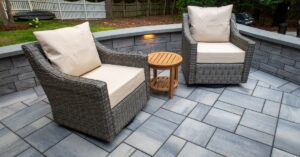
This is one of the most popular options for good reason. Manufacturers make them from molded concrete, which allows for endless shapes and colors. You can find options that mimic natural stone or brick at a fraction of the cost. They are incredibly strong and can handle the weight of heavy vehicles without issue.
Maintenance is straightforward. Regular sweeping and an occasional rinse keep them looking fresh. If you spill oil, you can treat just the affected stones or swap them out entirely.
Permeable Pavers
Drainage is a big concern for many properties. Heavy rains can lead to puddles or runoff that erodes your landscaping. Permeable pavers offer a smart solution.
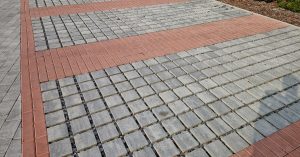
These systems have wider joints filled with small stones that allow water to pass through into the ground below. This design reduces the burden on storm drains and prevents water from pooling on the surface. They come in various styles, so you don’t have to sacrifice looks for functionality.

Selecting the Right Shape and Pattern
The shape of the paver and the pattern in which you lay it dramatically affect the final look. The pattern also influences the structural integrity of the driveway.
Interlocking Patterns
Herringbone is a favorite for driveways because of its strength. The stones are set at 45 or 90-degree angles to form a zigzag design. This arrangement locks the pavers tightly together. It prevents them from shifting under the twisting tires of a car.
Another strong option is the basket weave. This pattern alternates pairs of vertical and horizontal blocks. It has a vintage charm that suits traditional homes well. While slightly less interlocked than herringbone, it still offers good stability for residential use.
Running Bond
This is the standard brick-laying pattern where joints are offset by half a brick. It draws the eye in a specific direction. You can lay it lengthwise to make a short driveway look longer, or place it widthwise to make a narrow driveway appear wider.
It is a simple, clean look that works with almost any architectural style. Installation is generally faster with this pattern, which can save on labor costs. It doesn’t offer quite the same interlock strength as herringbone, but a good edge restraint keeps it secure.
Color and Texture Considerations
Color selection can be tricky. You want something that complements your house, not matches it perfectly. A good rule of thumb is to go a few shades lighter or darker than your home’s exterior.
Blending Colors
Solid colors can look a bit monotonous over a large area like a driveway. Blends that mix two or three tones add depth and interest. A mix of charcoal, gray, and tan can tie together a gray roof and beige siding. As a pavers manufacturer, our inventory includes a diverse mix of colors, such as New Carolina, which is an eye-catching combination of charcoal, red, and gold.
These blends are also practical. They hide tire marks, oil drips, and dirt much better than a solid light color. If you have kids who play in the driveway or if you work on cars, a multicolor blend is a lifesaver.
Textures
Smooth pavers offer a modern, crisp look. They are great for rolling basketballs or skateboards. However, they can be slippery when wet.
Textured or “tumbled” pavers have a rougher surface. This provides better traction for tires and shoes in rain or snow. Tumbled pavers have worn edges that look aged and soft. They fit perfectly with farmhouse or cottage styles.
The Installation Factor
Even the best pavers will fail if the installation is poor. Before you start installing the materials yourself, there are several key steps to understand. The base is the most critical part of the system.
Excavation and Base
The crew must dig down deep enough to remove unstable soil. They then fill the space with crushed stone. This layer gets compacted until it is rock hard.
Without this solid foundation, the pavers will sink and heave. You’ll end up with ruts where your car tires drive. A proper base ensures the driveway stays flat and smooth for decades.
Bedding Sand and Edge Restraints
On top of the crushed stone goes a layer of bedding sand. This is where the pavers sit. It allows for final leveling.
Once the pavers are down, edge restraints are installed. These are rigid plastic or concrete borders that hold the perimeter stones in place. Without them, the pavers on the edges would slowly drift into your lawn.
Joint Sand and Sealing
The final step involves sweeping polymeric sand into the joints. This special sand hardens when wet. It locks the pavers together and prevents weeds and ants from taking over.
Sealing is optional but recommended. A sealer enhances the color and protects the surface from UV rays and stains. It makes cleaning easier and extends the life of the color. You typically need to reseal every few years to maintain the protection.

Making the Final Choice
Take your time with this decision. Drive around your neighborhood to see what others have done. Notice which driveways catch your eye and why.
Now that you have everything you need to know about choosing driveway pavers, you are ready to take the next step—select the best materials for your projects today.
Frequently Asked Questions: Choosing the Best Driveway Surface
1. Is it cheaper to install pavers or a concrete driveway?
While poured concrete typically has a lower upfront cost, pavers offer better long-term value. Concrete and asphalt are prone to cracking as the ground shifts or tree roots grow, leading to expensive repairs. Pavers are individual interlocking pieces that “breathe” with the earth, preventing cracks and saving you money on resurfacing and maintenance over the life of your home.
2. Do pavers crack like concrete or asphalt?
Unlike solid slabs of concrete or asphalt, pavers do not crack. Because they are installed as individual units, they can flex and move slightly without breaking the surface. If a single paver is ever damaged or stained, you can swap it out individually, whereas a crack in a concrete slab usually requires a full, unsightly patch or a total replacement.
3. Which driveway material stays the coolest in the summer?
Pavers generally stay much cooler than asphalt or standard concrete. Black asphalt absorbs and retains scorching heat, which can be uncomfortable for pets and children. Pavers—especially permeable options—allow for better airflow and heat dissipation, making your driveway or patio more comfortable to walk on, even in direct sunlight.